How Venture Capital Funds Work: GPs, LPs, and Fees
 Would you trust someone with your money if the “interview” for the job was a fifty-page pitch deck and a decade-long commitment?
That’s essentially what happens every time someone becomes a limited partner in a venture capital fund.
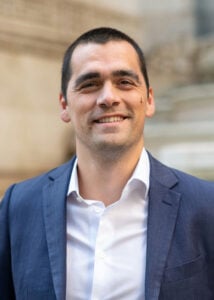
I sat down again with former Wharton professor and venture capitalist David Bell for part two of our conversation. This time, we go inside the mechanics of venture capital itself.
We cover how GPs and LPs actually split money and risk. How to evaluate a fund manager the way you’d evaluate a job candidate. And why taking on outside investors can quietly change what’s actually best for your business.
Listen Here
Key Takeaways
- Evaluating a GP Is a Hiring Decision: Credentials matter less than you’d think. The strongest signal is asking founders a fund manager has already invested in whether that person actually helped — brought capital, made introductions, or added real value.
- The “Two and Twenty” Structure: Most VC funds charge LPs a 2% annual management fee and keep 20% of the profits. A fund needs to be large enough that the 2% fee can actually cover salaries, legal costs, and office space — a small fund can end up undercapitalized.
- SPVs Let You Make a Concentrated Bet: When one company in a fund’s portfolio is taking off, a manager can raise a Special Purpose Vehicle so LPs can put new money directly into that single deal — a higher-risk, higher-conviction move than investing in the whole fund.
- Outside Money Changes a Founder’s Incentives: Investors often want a company’s valuation “marked up” as fast as possible, since it helps them raise their next fund — regardless of whether that pace of growth is actually healthy for the business.
- Signaling Theory Explains a Lot of Business: From “why grinding through a prestigious degree signals competence” to “why a 10-year car warranty signals reliability,” costly, hard-to-fake signals build trust in situations where you can’t directly verify quality — including when you’re choosing who to trust with your money.
Resources
Get your free FiiRE workbook – https://affordanything.com/fiire
David Bell’s book, Location Is (Still) Everything – https://amzn.to/4aUO3Gh
More on David Bell and Idea Farm Ventures – https://www.davidbell.co/
Lost and Founder by Rand Fishkin: https://www.penguinrandomhouse.com/books/547217/lost-and-founder-by-rand-fishkin
Burn Rate by Andy Dunn: https://www.penguinrandomhouse.com/books/653309/burn-rate-by-andy-dunn
————————
Stay in the loop – https://affordanything.com/newsletter
————————-
Join our community –
Chapters
Note: Timestamps are approximate and may vary across listening platforms due to dynamically inserted ads.
(03:41) How venture capital actually works, in three tiers
(06:09) The fee formula nearly every venture fund runs on
(10:30) Why fund managers get paid before they invest anything
(14:19) The surprisingly low bar to invest in risky deals
(26:52) What to ask before trusting any fund manager
(29:27) How investors make an all-or-nothing bet on one company
(34:33) The red flag hiding in an eager fund manager
(42:16) What separates a great fund manager from a mediocre one
(48:10) How outside money quietly changes what a founder optimizes for
(55:47) Why kids today may never remember life before AI
Thanks to our sponsors!
Policy Genius
Secure your family’s future with Policygenius. Head to Policygenius.com to compare life insurance quotes from top companies and see how much you could save.
Monarch
Use code AFFORD at Monarch.com to get your first year of Monarch Core half off at just $50.
Mintmobile
If you like your money, Mint Mobile is for you. Shop plans at Mintmobile.com/paula
NetSuite
Built for every industry. Ready for every boardroom. NetSuite.AI/PAULA
Quince
Make your summer wardrobe feel easier. Go to Quince.com/paula for free shipping on your order and 365-day returns. Now available in Canada too!